A Medical Icon's Value for Modern Embroidery Projects
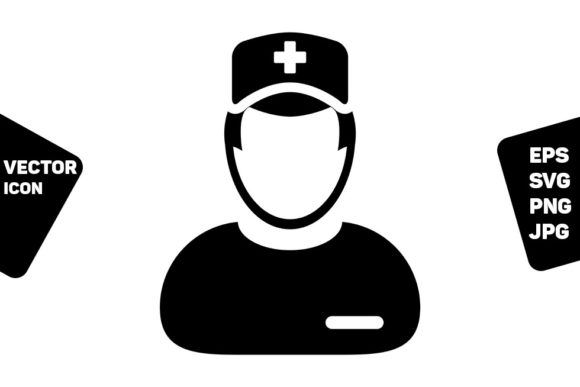
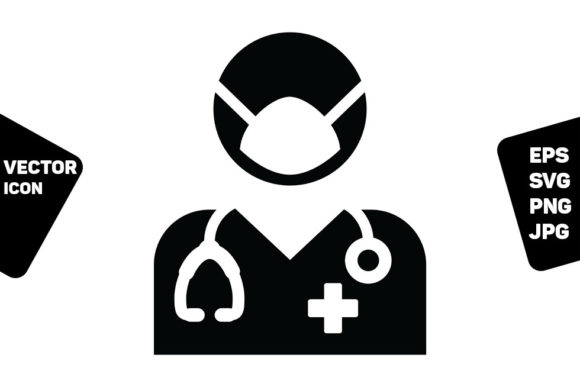
I’ve been looking at the Healthcare Icon Vector Doctor Face Mask design file, thinking about where it could really shine in my own work and for my clients. It’s a clean, modern pictogram—a male doctor profile with a stethoscope and mask. Immediately, I see its strength isn't in ornate detail, but in its clear, symbolic communication. The mood is professional, caring, and contemporary. For embroidery, this means we’re working with a design that relies on strong, recognizable shapes rather than intricate shading.
The Natural Habitat for This Design
This icon feels destined for projects where clarity and theme are paramount. I picture it embroidered on a tote bag for a nurse’s gift, or as a small, thoughtful emblem on the sleeve of a healthcare worker’s sweatshirt. It would be perfect for a personalized pillow cover in a clinic’s waiting area or a simple, meaningful patch on a baby blanket for a child of a doctor. For a small shop selling to the medical community or for crafters making holiday gifts for frontline workers, this design instantly conveys a sense of appreciation and recognition.
In practical application, I’d use it for custom apparel like polo shirts or hats for a small medical practice’s branding, or on aprons and tea towels for a home with a healthcare professional. The glyph style lends itself well to embroidered patches that can be applied to various items. As an Etsy seller, I could see this as a popular choice for personalized gifts, and the multiple file formats included mean it’s ready for digital product previews and printable mockups to show customers.
Where the Stitching Gets Real
The clean lines of this embroidery design are a practical advantage. In a real embroidery project, shapes like the profile and the stethoscope loop will likely translate well into solid satin stitch borders or fill stitch areas. Because it’s an icon, not a photorealistic portrait, the stitch density can be managed effectively without creating overly thick, stiff areas that might distort on stretchy fabrics.
However, its success hinges on execution. The smaller details, like the bridge of the stethoscope or the profile outline, need to be checked carefully in your embroidery file. On a cap or a curved surface, very fine lines might need slight adjustment to remain clear. On textured fabrics like a sweater, the simplicity of the design helps, but a good stabilizer is still key to keep the edges sharp.
Scenarios That Demand Extra Attention
This isn’t a design I’d automatically run at a very small hoop size. Reducing it too much could compromise the recognizability of the stethoscope and mask elements. On dark fabric, the choice of thread colors becomes critical—a white or light grey fill for the mask area, for instance, needs to pop, so contrast planning is essential. For items that will undergo frequent washing, like kitchen towels or scrub caps, the design’s lack of extremely dense fills is a benefit, as it’s less prone to feeling bulky or stiff after many cycles.
For baby clothes or blankets, where fabric is often soft and thin, I’d be mindful of the overall stitch count and would likely test a slightly reduced size to ensure it doesn’t weigh down the material. The design’s professional aura adds product value and customer trust when used appropriately; it feels thoughtful and specific, not generic.
Turning a Graphic into a Great Finished Product
Using this vector as a machine embroidery design isn’t just about hitting ‘stitch.’ Its visual appeal in a finished product comes from its symbolic power. On a gift, it says “I see and value your work.” On a small shop product, it attracts buyers within a specific community. For brand consistency, a clinic using this on staff apparel would project a unified, modern image.
This boosts professionalism in handmade presentation and increases giftability because the meaning is immediately understood. For craft business items, especially around times of appreciation like holidays, it can drive buyer engagement from a niche audience looking for that exact representation.
A Designer’s Practical Checklist Before Hooping Up
My standard process for a design like this involves a few concrete steps. First, I always test the design on scrap fabric first, using both light and dark backgrounds to see how the thread color contrast works. I inspect the small details in the stitch preview—are the curves of the profile and stethoscope smooth? I’ll check stitch density in any filled areas to ensure it’s suitable for my target fabric.
I confirm the design works in my intended hoop size for the project—is it clear at 4 inches for a cap, or does it need 5 inches for a tote bag? I also run a black and white mockup to see if it holds its form without color, which is a good test for its fundamental strength. Crucially, I verify the licensing for my use case—can I use this for commercial embroidery projects and sell the finished items? Since the product listing mentions files for web and print, I’d look for clear terms about digital product resale or commercial projects before offering it in my shop.
The Healthcare Icon Vector Doctor Face Mask is a tool. Its value is unlocked by matching its clean, professional symbolism with a thoughtful embroidery project. It’s not a flashy design, but in the right context—on a gift for a nurse, on merchandise for a boutique pharmacy, or on a patch for a medical student’s jacket—it stitches meaning directly into the fabric.